
Family Visa

Family Visa Progress
Family Visa Progress refers to the status of a visa application for individuals who are seeking to join family members who reside in another country. A family visa allows an individual to live, work, or join their spouse, children, parents, or other qualifying relatives in a foreign country. The progress of a family visa application typically tracks the steps involved in processing the visa, including the submission of documents, review, decision-making, and final approval.


Global Companies
Induvial Companies
Visa Application Centers:
Visa Application Centers (VACs) are outsourced facilities managed by third-party service providers that handle the administrative aspects of visa applications for foreign governments. These centers serve as intermediaries between visa applicants and embassies or consulates. VACs help streamline the visa application process by offering services such as document submission, biometric data collection, and application tracking. They simplify the process and make it more convenient for applicants.
Key Services Provided by Visa Application Centers (VACs)
-
Document Submission
- Applicants can submit their visa applications and supporting documents at VACs, rather than having to visit the embassy or consulate in person.
- VACs ensure that all documents are complete and meet the visa requirements, helping to reduce the risk of rejections due to missing paperwork.
-
Biometric Collection
- Many countries require applicants to provide biometric data, such as fingerprints and photographs, as part of the visa application process.
- VACs are authorized to collect biometric data and transmit it to the consulate or embassy for processing.
-
Payment of Visa Fees
- VACs facilitate the payment of visa fees and service charges. Applicants can pay online or at the VAC through multiple payment options (such as credit/debit cards or cash).
- They also provide receipt of payment for tracking purposes.
-
Application Tracking
- VACs typically offer a tracking system, allowing applicants to track the status of their visa applications online.
- Applicants can check the progress of their applications, including when they have been forwarded to the embassy, when biometric data has been collected, and when the visa decision is made.
-
Courier Services
- Many VACs offer courier services, ensuring that applicants can receive their passport and visa in the mail once it has been processed by the embassy or consulate.
- Some centers also allow applicants to collect their documents in person or have them sent to a designated address.
-
Priority and Expedited Services
- For urgent travel needs, VACs offer priority processing services for an additional fee, which may result in faster processing times.
- This is particularly useful for applicants who need to travel on short notice.
-
Visa Interview Scheduling (if applicable)
- In cases where a visa interview is required, VACs can help schedule the appointment with the embassy or consulate.
- Some VACs also provide interview preparation services, guiding applicants on how to prepare for the visa interview.
-
Language Assistance
- Many VACs provide language assistance or support services for applicants who need help filling out visa application forms, particularly when they are required to submit documents in the official language of the country they are applying to.
-
Additional Services
- Some VACs offer services like photocopying, photograph services, and document translation to make the visa application process smoother.
Advantages of Using Visa Application Centers (VACs)
- Convenience: VACs are often located in multiple cities or regions, providing easier access to applicants compared to traveling to an embassy or consulate.
- Streamlined Process: They ensure that all documents are properly submitted, reducing the risk of delays or rejections.
- Time-Saving: By outsourcing administrative tasks, VACs help expedite the process of gathering and forwarding visa applications to the consulate, allowing embassies and consulates to focus on decision-making.
- Real-time Updates: VACs usually provide real-time updates on the status of your visa application through an online tracking system.
- Reduced Travel: Applicants can avoid traveling long distances to the embassy or consulate by using a VAC to handle the document submission and biometric collection process.
Countries That Use Visa Application Centers (VACs)
Many countries around the world outsource their visa processing to VACs. These centers handle visa applications for tourists, business travelers, students, and immigrants. Some countries with widespread use of VACs include:
- United States (through third-party services like CGI Federal and TLScontact)
- United Kingdom (via VFS Global or TLScontact)
- Canada (through VFS Global and Cox & Kings Global Services)
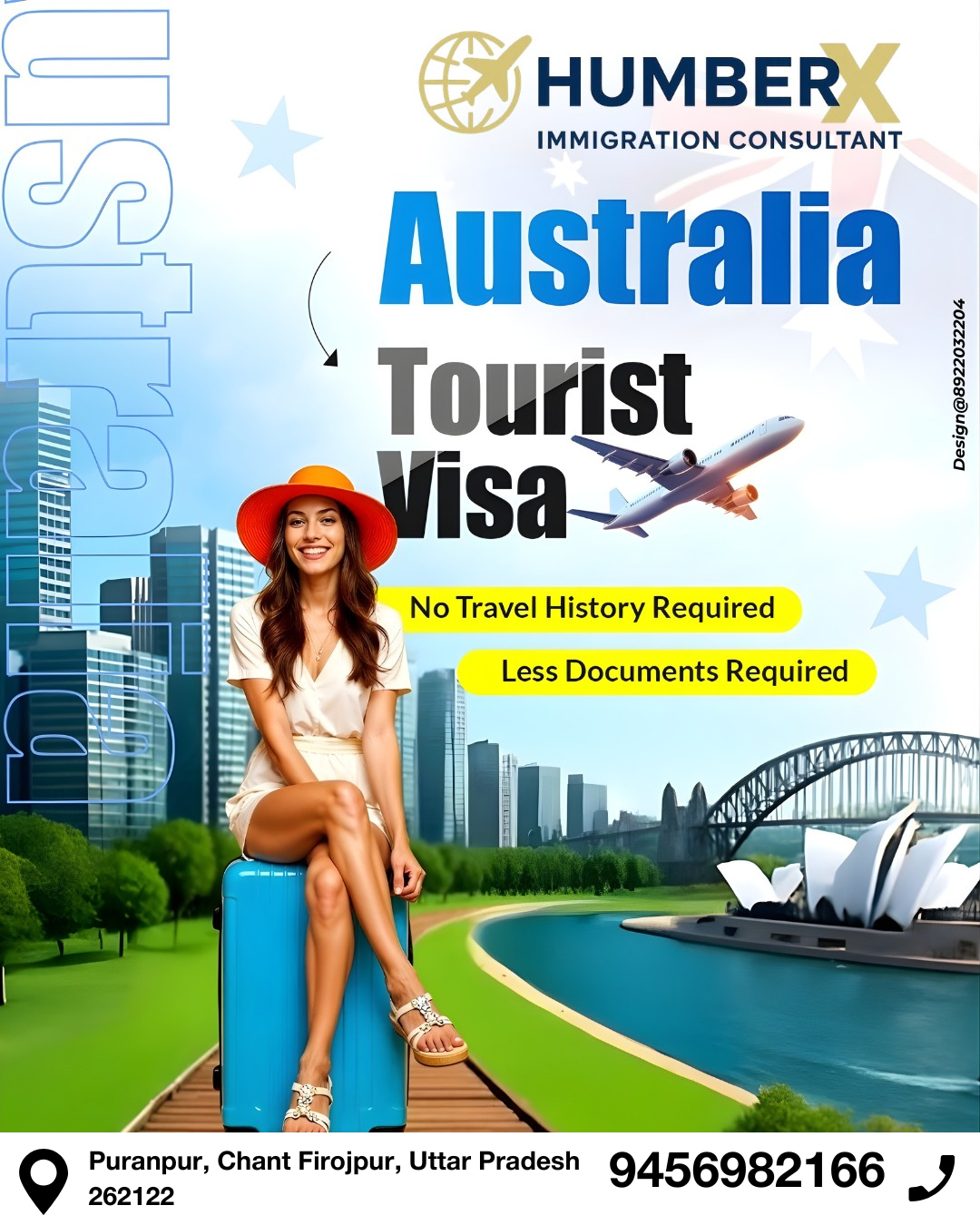
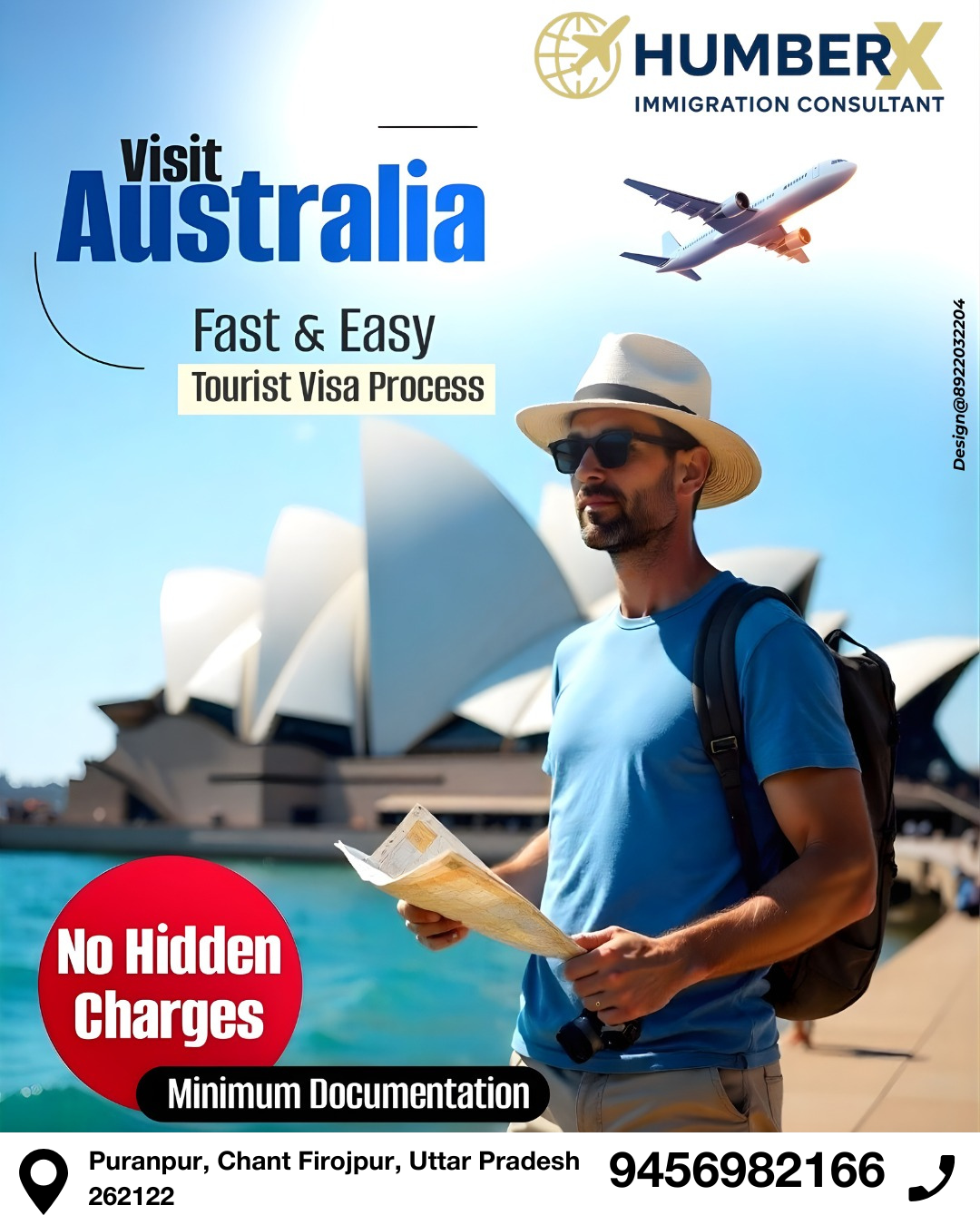
- Australia (via VFS Global or Australian Visa Application Centres)
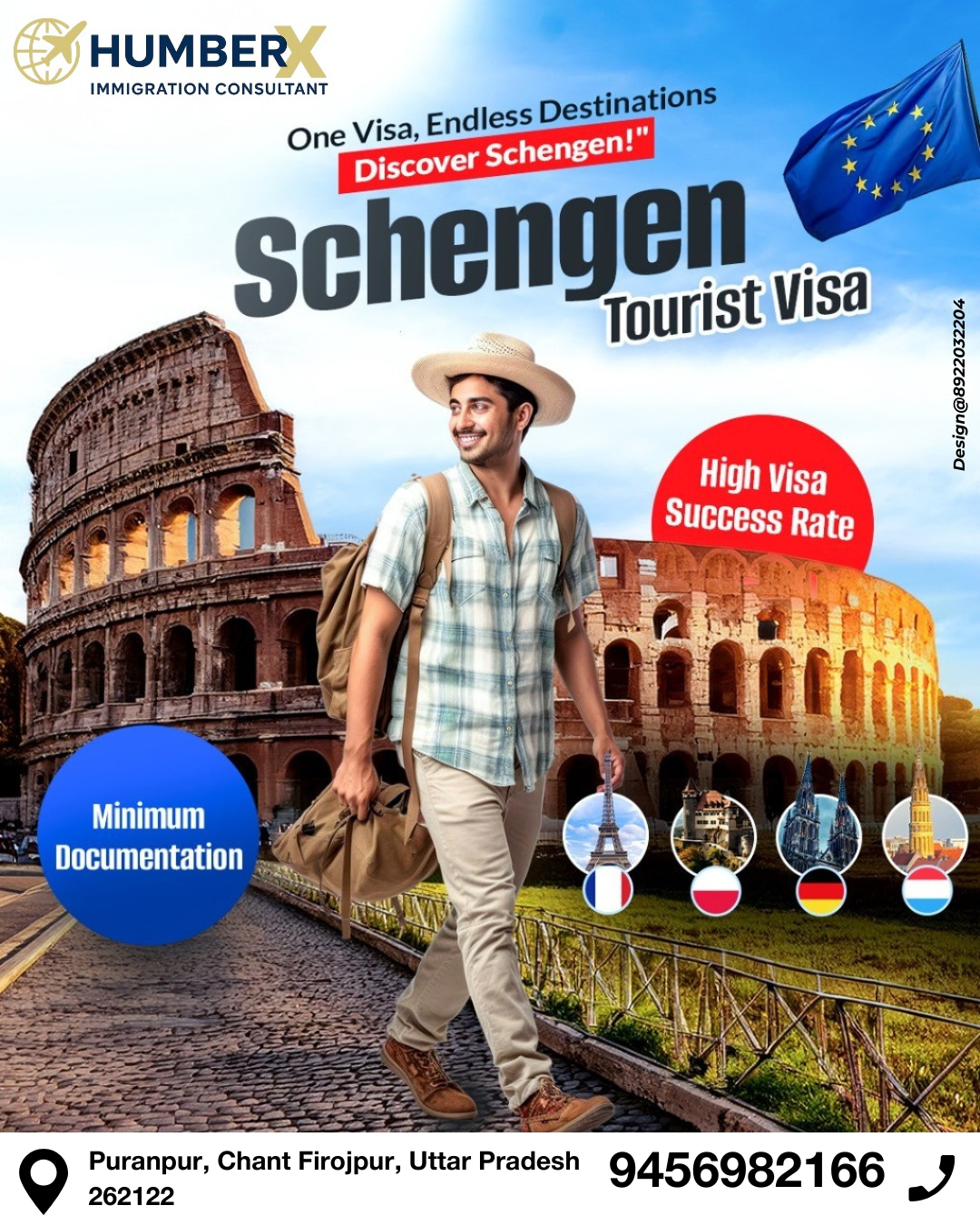
- Schengen Area Countries (through VFS Global, TLScontact, and other providers)
- India (through VFS Global and BLS International)
- China (through VFS Global)
Common Visa Application Center Providers
- VFS Global: A leading provider of visa processing services, VFS Global manages VACs in many countries and works with embassies across Europe, Asia, Africa, and the Americas.
- TLScontact: Another popular VAC provider, offering visa application services for several European countries and others.
- BLS International: Provides visa services for Spain, Italy, and other Schengen countries, as well as some countries in the Middle East.
- Cox & Kings Global Services (CKGS): Primarily handles U.S. visa applications, along with services for other countries like India and certain regions in Europe.
- TravelDoc: Specializes in processing visa applications for countries in Europe, Africa, and Asia.
Conclusion
Visa Application Centers (VACs) offer a valuable service for simplifying the visa application process by providing support, document handling, biometric collection, payment processing, and expedited services. VACs are particularly useful for applicants who need assistance navigating the visa process or who are located far from an embassy or consulate. By using VACs, travelers can save time, reduce the complexity of their visa applications, and increase the chances of a smooth application experience.- Direct Online Interview
- 99% Visa Approvals
- Direct Online Interview
- 99% Visa Approvals
Information On Electronic Visas
An Electronic Visa (eVisa) is a digital visa authorization that allows travelers to enter a country without needing to visit an embassy or consulate in person. It is an online visa that is typically issued for short stays, such as for tourism, business, or transit purposes. The eVisa process is simplified compared to traditional visa applications, making it more accessible, faster, and more convenient for applicants.
Key Features of eVisas:
-
Online Application Process
- Applicants can apply for an eVisa directly through the official government website or through designated visa service providers. The process is entirely online, from filling out forms to paying fees.
-
No Physical Visa Required
- Once approved, the eVisa is generally linked to the applicant's passport electronically. Some countries may issue a physical visa stamp in the passport, but in most cases, an eVisa is sufficient for entry.
-
Faster Processing
- The eVisa application process is usually faster than traditional visa applications. Approval may take anywhere from a few hours to a few days, depending on the country and type of visa.
-
Simplified Requirements
- The requirements for an eVisa are often simpler than those for traditional visas. Typically, applicants will need a valid passport, recent passport-sized photos, and sometimes additional documents (e.g., travel itinerary, proof of accommodation, or financial means).
-
Limited Validity and Entry
- eVisas are typically issued for short durations (e.g., 30 days to 90 days), and the traveler is allowed to enter the country for specific purposes, such as tourism or business. Some eVisas are valid for multiple entries, while others may be valid for a single entry.
How eVisas Work:
-
Application Submission
- The applicant fills out an online application form, providing personal details such as name, nationality, passport number, travel details (e.g., travel dates, entry points), and the purpose of the visit.
- Applicants may be asked to upload supporting documents such as a scanned copy of the passport, a photo, or other required paperwork.
-
Payment
- Once the form is completed, applicants are required to pay the visa fee, which can usually be done through secure online payment methods (credit card, debit card, or bank transfer).
-
Processing
- After submitting the application and payment, the country’s immigration authorities review the application. The processing time varies but is generally faster than traditional visa processing.
-
Visa Approval
- Once the eVisa is approved, it is sent electronically to the applicant’s email, or it can be downloaded from a website. In some cases, the eVisa is linked directly to the applicant's passport number.
-
Entry to the Country
- Upon arrival in the destination country, travelers may be required to show a printout of the eVisa, along with their passport. Immigration officers will verify the details electronically to allow entry into the country.
Types of eVisas:
- Tourist eVisa: For leisure travel and short-term visits.
- Business eVisa: For individuals visiting the country for business purposes.
- Transit eVisa: For travelers passing through a country en route to a third destination.
- Medical eVisa: For individuals traveling for medical treatment.
Countries Offering eVisas
Many countries now offer eVisas to facilitate easier travel. Some examples include:
- India: Offers an eVisa for tourism, business, and medical purposes. The eVisa allows entry for up to 60 days.
- Kenya: Provides an eVisa for tourism, business, and transit visits, valid for 90 days.
- Sri Lanka: Offers an Electronic Travel Authorization (ETA) for tourists and business travelers.
- Zimbabwe: Offers an eVisa for short stays (tourism, business, etc.) with a validity of up to 90 days.
- Myanmar: Travelers can apply for a tourist or business eVisa.
- Egypt: Offers an eVisa for tourism, with a validity of up to 30 days.
- Azerbaijan: eVisa is available for tourism, allowing a stay of up to 30 days.
Advantages of eVisas:
- Convenience: The entire process is done online, making it easy for travelers to apply from anywhere in the world.
- Time-Saving: eVisas generally take less time to process than traditional visas, with approval often granted within a few days.
- Reduced Cost: eVisas are typically less expensive than traditional visas, as there are fewer administrative costs involved.
- Less Paperwork: Since the process is online, applicants do not have to deal with the extensive paperwork that is often required for traditional visa applications.
- Environmentally Friendly: With no physical visa required, the eVisa system reduces the need for paper-based documentation and stampings.
Limitations of eVisas:
- Limited to Certain Countries: Not all countries offer eVisas, and the countries that do may only offer eVisas for certain types of travelers or specific purposes.
- Shorter Duration: Most eVisas are issued for short stays, and travelers may need to apply for a traditional visa if they plan to stay for a longer period or if they need to apply for a visa extension.
- Specific Eligibility: Some travelers may not be eligible for an eVisa, depending on their nationality, purpose of travel, or other restrictions imposed by the country issuing the eVisa.
- Entry Points: In some cases, eVisa holders can only enter through specific airports or entry points, which may limit flexibility for travel.
Conclusion
An eVisa offers a convenient, time-saving, and cost-effective alternative to traditional visa applications. It allows travelers to apply for a visa from the comfort of their home and receive approval faster, without the need for an in-person visit to a consulate or embassy. While not available for all countries or visa types, eVisas are an increasingly popular option for travelers looking for a simplified and efficient visa process. Always check the specific visa requirements for the country you're planning to visit to ensure eligibility for an eVisa.
Why Choose This Service
Choosing expedited visa processing or any visa processing service comes with several benefits, especially if you're in urgent need of a visa or seeking a more streamlined and convenient application process. Here’s why you might want to choose expedited visa processing or a related service:
1. Time-Saving
- Fast Approval: Expedited services significantly reduce the processing time, allowing you to receive your visa in as little as 24 hours to a few days, depending on the service and country. This is ideal for situations where you need to travel urgently, whether it's for business, medical, or personal reasons.
- Quick Turnaround: Standard visa applications can take weeks to process, but expedited processing allows you to save valuable time, particularly if your travel plans are time-sensitive.
2. Convenience
- Online Application: Many expedited services allow you to apply for your visa online, meaning you can apply from anywhere without needing to visit an embassy or consulate in person.
- No Need for In-Person Visits: Certain expedited services, such as priority processing through Visa Application Centers (VACs), mean you don’t have to stand in long queues or make multiple trips to embassies.
3. Priority Processing
- Fast-Tracked Applications: Expedited services ensure your application is processed before regular applications, meaning your visa application gets prioritized. This is especially helpful if you have a tight timeline.
- Less Risk of Delays: With expedited processing, you’re less likely to experience delays due to backlogs or complications with regular processing.
4. Urgency
- Emergency Travel: If you need to travel urgently due to unforeseen events like a medical emergency, family crisis, or a last-minute business trip, expedited services can make it possible to get your visa quickly.
- Short Notice Travel: For travelers who need to make last-minute plans, expedited processing is the best option, ensuring that a visa is issued promptly.
5. Increased Chances of Success
- Streamlined Process: When applying through expedited services, your application is often reviewed more carefully, reducing the chances of errors or missing documents. This increases your chances of getting approved quickly.
- Application Support: Many expedited visa services offer additional support such as checking application accuracy, helping with document collection, or offering professional advice on visa requirements.
6. Peace of Mind
- Stress-Free Travel Planning: Knowing your visa application is being processed faster provides peace of mind, especially if your travel is for an important event, like a business conference, wedding, or funeral.
- Trackable Progress: Many expedited services offer tracking options, allowing you to monitor your visa’s progress in real-time, which helps reduce uncertainty during the application process.
7. Flexible Options
- Multiple Services: Expedited processing is available for a wide variety of visa types, including tourist, business, student, and even transit visas. You can choose the expedited option that best suits your needs and requirements.
- Customized Solutions: Some services offer tailored solutions for different types of travelers, such as business travelers or tourists, providing flexibility to meet your specific visa needs.
8. Professional Assistance
- Expert Guidance: When using a reputable expedited visa processing service, you often get expert assistance in completing your application. This can include guidance on documentation, completing forms, and even preparing for visa interviews.
- Reduced Risk of Errors: Professional services reduce the risk of missing crucial steps or submitting incorrect documents, which can otherwise delay the process or result in rejections.
9. Availability of Additional Services
- Document Review and Translation: Many expedited services offer document review and translation services, which ensure that your paperwork meets the country’s requirements and eliminates any potential mistakes.
- Courier Services: Some expedited services also include document courier services, ensuring your visa and passport are delivered quickly and securely, further speeding up the process.
10. Multiple Entry Options
- Multiple Entries: Some expedited visa processing services provide options for multiple-entry visas, which can be more efficient for frequent travelers, saving you time in future trips without needing to reapply each time.
Conclusion:
Choosing expedited visa processing is ideal for travelers who require quick, efficient, and reliable visa approval. It provides faster processing, greater convenience, and reduces the stress and delays associated with traditional visa application processes. Whether you're attending an urgent meeting, going on a business trip, or need to address a personal emergency, expedited services are designed to meet your time-sensitive needs, allowing you to focus on your travel plans with peace of mind.
Vistor Visa
Student Visa
Family Visa
Green Card
Work Permit
Migrate
Options For Expedited Visa Processing
Expedited Visa Processing allows applicants to speed up the standard processing time for their visa applications. This service is especially useful for travelers who need to attend an urgent event, business meeting, or family gathering, or who simply require faster approval. Expedited processing typically involves additional fees, and the availability of this service depends on the country and type of visa you are applying for.
Common Options for Expedited Visa Processing
-
Priority Visa Service
- What it is: Priority or express visa services allow applicants to have their applications processed more quickly than standard processing. It may reduce the processing time from several weeks to a few days or even within 24 hours, depending on the country.
- Who it applies to: Priority services are often available for tourist, business, and student visa applications.
- How it works: You typically select this option during the visa application process, either at the Visa Application Center (VAC) or when submitting your application online. Additional documentation, such as a statement explaining the urgency, may be required.
- Countries that offer this service: The U.S., U.K., Canada, Australia, and Schengen countries, among others, offer priority processing for an additional fee.
-
Expedited Processing through a Visa Application Center (VAC)
- What it is: Some Visa Application Centers (VACs) offer expedited services for certain types of visas, ensuring faster processing times for a premium fee. This service typically involves fast-tracking your application once it is submitted to the embassy or consulate.
- Who it applies to: Available for tourist, business, and transit visas.
- How it works: After submitting your application at a VAC, you can request expedited processing. You may be asked to provide proof of the urgency, such as a flight booking or an invitation letter.
- Examples: VFS Global, TLScontact, and Cox & Kings Global Services offer expedited services for a variety of countries.
-
Emergency Visa (Same-Day or 24-Hour Visa Processing)
- What it is: Some embassies and consulates offer emergency visas for travelers who need to travel on very short notice, often within a day or two. This service is typically offered in exceptional circumstances, such as medical emergencies, family emergencies, or urgent business trips.
- Who it applies to: Available for all visa types, but most commonly used for business, tourist, or medical emergency visas.
- How it works: Applicants must prove the urgency, often through documents such as a hospital admission letter, a death certificate, or an urgent business invitation. There may be additional fees, and processing can be completed within 24 hours.
- Countries that offer this service: The U.S., India, Turkey, and various other countries may provide this expedited option.
-
Fast-Track Services for Specific Visa Types
- What it is: Some countries provide fast-track services for specific visa types, such as student visas, work visas, or family reunification visas. These services are designed to speed up processing times for specific groups of travelers.
- Who it applies to: Typically available for applicants with urgent travel needs, such as students needing to start their studies immediately or workers requiring quick employment.
- How it works: Applicants will need to request fast-track processing when applying and provide documents that explain the urgency, such as enrollment confirmation or a job offer letter.
- Countries that offer this service: Countries such as the U.K., U.S., Canada, and Australia provide fast-track options for certain visa types.
-
Electronic Travel Authorization (eTA) or Electronic Visa (eVisa)
- What it is: Some countries offer expedited processing for their eVisa or eTA systems, allowing applicants to receive approval in a matter of hours or days. The eVisa is typically a faster and more streamlined process compared to traditional visa applications.
- Who it applies to: Often available for short-term visas for tourism, business, or transit.
- How it works: The applicant fills out an online application and submits required documents. Once approved, the eVisa or eTA is sent electronically, and no physical visa is required. Expedited services are usually available for an additional fee.
- Countries that offer this service: India, Kenya, Sri Lanka, Turkey, and several other countries offer eVisas with fast processing times.
-
Emergency Travel Documents
- What it is: In situations where a traveler has lost their passport or needs an emergency visa for urgent travel, some embassies and consulates issue emergency travel documents. These are temporary visas or travel documents that allow the traveler to reach their destination quickly.
- Who it applies to: Available to individuals who need to travel urgently due to passport loss or other exceptional circumstances.
- How it works: Applicants must present proof of the emergency situation (e.g., a flight booking or a letter explaining the urgency) and may need to provide documents such as a police report for a lost passport.
- Countries that offer this service: Emergency visas or travel documents are often available in consulates worldwide, particularly in cases of passport loss.
How to Access Expedited Visa Processing:
- Check Availability: Not all countries or visa types offer expedited services. Always check with the specific embassy, consulate, or visa processing center to see if this option is available for your visa type.
- Follow Instructions: Some countries allow you to request expedited processing when filling out the online visa application, while others may require you to submit a separate request or pay an additional fee at the VAC.
- Provide Proof of Urgency: Most expedited services require you to show proof of urgency, such as medical or business documents, a flight booking, or an invitation letter.
- Pay Extra Fees: Expedited processing often comes with additional fees. These fees can vary depending on the country, the type of visa, and the urgency of the request.
- Track Your Application: After applying, track the progress of your application using the provided tracking number, and ensure that all documents are submitted correctly to avoid delays.
Countries Offering Expedited Visa Processing:
- United States: Offers expedited visa processing through the U.S. Department of State. You can request a premium processing service for certain visa types (e.g., H-1B, L-1).
- United Kingdom: Provides priority visas for faster processing of tourist and business visas.
- India: Allows Tatkal services for quicker visa processing.
- Australia: Offers priority processing for certain visa types like visitor and student visas.
- Canada: Has a Priority Processing Service for some visa applications.
- Schengen Area Countries: Some Schengen countries provide fast-track processing for short-stay visas through VFS Global or consulates.